Short scenes built on dialogue
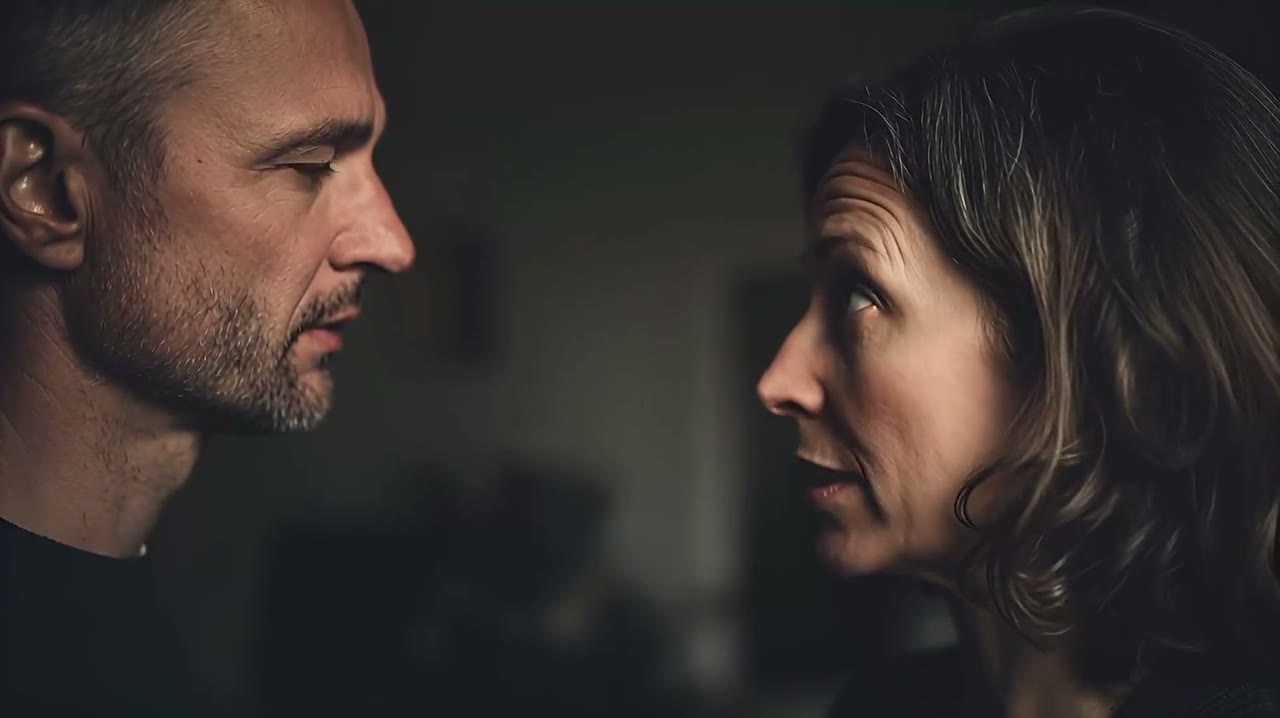
Stage a brief exchange where voice, reaction, camera rhythm and location all pull together.


Official model guide and online generator
Generate narrative video with native audio, cinematic camera language, frame control, and up to seven visual references. Use the Vidu Q3 AI video generator directly below to create from a prompt, image, frame pair, or supported references.
The complete MuseGen video workspace is embedded here and starts with Vidu Q3 selected. You can still compare variants or switch models without losing the rest of the workflow.
Generation requires an account and uses credits based on the selected model, variant, duration, resolution, and other settings. Failed tasks are refunded automatically.
Understand where Vidu Q3 fits before spending time on references, prompts, and final-resolution generations.
Vidu Q3 is made for short-form storytelling, not a silent visual snippet. Pro and Turbo handle text, image and frame-led generation with native audio, while the reference models let you carry characters, products and props from a set of pictures into one scene.
For short-film makers, ad teams, character designers, social studios, brand marketers and narrative designers, the practical advantage is not a single headline benchmark. It is the way Vidu Q3 combines Text, image, first and last frame, or references to video with Text plus up to seven reference or frame images. That combination determines whether the model can preserve a prepared visual direction or needs to invent most of the scene from language alone.
On this page, research and production live in one flow. Read the official specifications, study the source material, use the prompt framework, and then work in the embedded generator. The selected model defaults to Vidu Q3, while the rest of MuseGen's upload, progress, history, reuse, and download experience stays available.
Use these official capabilities to plan the input, format, duration, and production tier before you generate.
Start with work where the model's strongest controls create a practical advantage rather than choosing only by maximum resolution.
Stage a brief exchange where voice, reaction, camera rhythm and location all pull together.
Feed in product, character, costume and location images to keep campaign elements intact in a brand-new scene.
Fit a setup, an action and a payoff into a tall or square clip with its own synchronized sound.
Travel between prepared key frames, looks, products or locations while you keep control of how it ends.
This official media was downloaded from the model developer's launch or product material and optimized for fast playback on this page.
Official source material: Native-audio sample from the official Vidu Q3 product page.
Move from a creative idea to a configured Vidu Q3 generation without leaving this model page.
Write the subject, action, environment, camera, style, timing, and sound. If you have reference media, upload it and explain the role of each asset.
Keep Vidu Q3 selected, choose the appropriate variant, mode, duration, aspect ratio, resolution, and audio settings, then check the displayed credit cost.
Start the task, follow progress in the result panel, review the completed video, reuse its settings for another take, or download the finished file.
The defining capabilities that shape how Vidu Q3 handles direction, references, motion, sound, and delivery.
Speech, room sound, effects and music are produced with the visuals and follow the rhythm of the scene.
Pick Pro for higher fidelity and stronger storytelling, or Turbo for quicker, cheaper exploration in the main input modes.
Blend as many as seven visual references while you direct characters, products, places, style and scene changes.
Set how the clip begins and ends for morphs, reveals, match cuts and carefully steered movement.
Make a tiny burst of motion, or give a fuller narrative moment enough room to unfold.
Direct framing, pacing, movement, acting and emphasis as part of the narrative from the start.
A strong Vidu Q3 prompt behaves like a compact production brief: it gives the model a subject, an ordered action, a camera plan, an art direction, and a soundtrack.
Subject + ordered action + environment + camera + lighting + visual style + timing + dialogue and sound + consistency constraints
“Image 1 is the older man, Image 2 the young woman, Image 3 the train platform and Image 4 the costumes. Over twelve seconds they spot each other through the crowd, she says one line — “You came back” — and they both look at the old suitcase. Slow push-in, held-back expressions, station echo, a far-off whistle, no music.”
Say what the characters are after, how their faces shift and how close the camera sits to serve the beat.
Keep spoken lines apart from room tone, effects, score and silences so the intended sound stays clear.
State which image sets identity, costume, product, place, framing or style instead of weighting them equally.
Choose a tier and format based on where you are in the creative process. Draft settings are for finding the shot; premium settings are for finishing a direction that already works.
| Capability | Vidu Q3 support |
|---|---|
| Variants | Pro, Turbo, Reference or Reference Mix |
| Generation modes | Text, image, first and last frame, or references to video |
| Inputs | Text plus up to seven reference or frame images |
| Reference control | A first frame, a last frame, or as many as seven images |
| Duration | 1–16 seconds |
| Resolution | 540p, 720p or 1080p |
| Aspect ratios | 16:9, 9:16, 1:1, 4:3 and 3:4 |
| Audio | Native speech, music, background sound and effects in sync |
AI video is most reliable when the prompt gives each shot one readable visual idea. Review important details before publishing and treat the first generation as a directed take that can be refined.
Complex multi-character interaction, fast occlusion, readable text, logos, hands, and exact object counts can still vary between takes. Use clear references, simplify crowded action, and inspect continuity frame by frame.
Higher resolution does not replace art direction. Lock the story beat, composition, movement, and sound at an economical setting first; then move the strongest direction to the premium variant or resolution.
Vidu Q3 is a Vidu AI video generation model. Vidu Q3 is made for short-form storytelling, not a silent visual snippet. Pro and Turbo handle text, image and frame-led generation with native audio, while the reference models let you carry characters, products and props from a set of pictures into one scene. MuseGen places the complete generator on this page so you can move from research to creation without opening a separate workspace.
Vidu Q3 supports Text, image, first and last frame, or references to video. That range lets you start with a written idea, guide the opening with an image, or use additional references when the composition, identity, or motion must be more controlled.
You can create 1–16 seconds video with output at 540p, 720p or 1080p. Pick a lower resolution for quick creative exploration, then use the highest appropriate setting when you are ready to evaluate detail or deliver the shot.
Vidu Q3 supports Native speech, music, background sound and effects in sync. Write dialogue, ambience, music, and effects as deliberate parts of the prompt so the soundtrack supports the visible action and emotional rhythm of the scene.
The model accepts Text plus up to seven reference or frame images. Its reference workflow supports A first frame, a last frame, or as many as seven images. Give every uploaded asset a clear role in the prompt instead of expecting the model to infer which image controls identity, style, composition, or movement.
Vidu Q3 is a strong fit for short-film makers, ad teams, character designers, social studios, brand marketers and narrative designers. The best choice still depends on the shot: use this page's facts, features, examples, and prompt guide to decide whether its particular balance of control, speed, resolution, sound, and references matches the job.
A reliable prompt names the subject, action, location, camera, lighting, visual style, timing, and sound. Put events in chronological order, quote exact dialogue, and state what must remain consistent. When you upload references, identify each one explicitly.
Yes. The full Vidu Q3 generator is embedded directly below the hero on this page. Choose text, image, frames, or references as appropriate, configure the available controls, review the visible credit cost, and start the generation without leaving the model guide.
Model capabilities and media on this page were researched from the developer's official product pages, announcements, and documentation.
Open the complete Vidu Q3 AI video generator above, add your prompt or references, and turn the next shot on your list into a finished video.
Start generatingBrowse all models